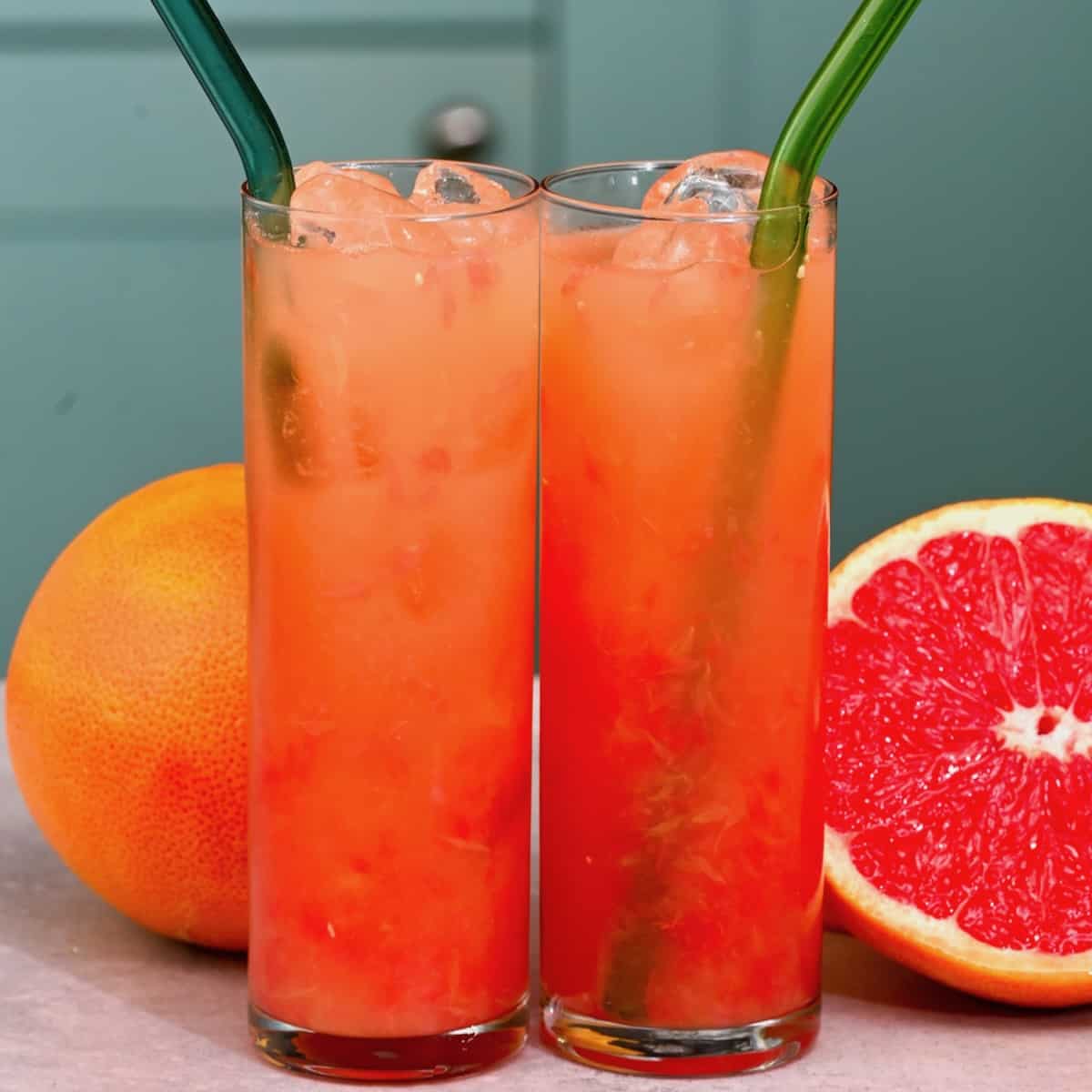
Grapefruit juice, with its distinctive bittersweet tang and vibrant color, is far more than just a refreshing beverage. It's a powerhouse of nutrition, packed with essential vitamins, minerals, and antioxidants that can significantly boost your immune system and overall well-being. Whether you're a seasoned health enthusiast or simply looking for a delicious way to incorporate more nutrients into your diet, learning how to make grapefruit juice at home is a skill worth mastering. The good news? You don't need fancy equipment to enjoy this liquid gold. We'll explore three primary methods: using an electric juicer, a blender, or simply your own hands, ensuring there's a perfect approach for everyone.
Before we dive into the "how-to," let's appreciate why grapefruit juice deserves a spot in your daily routine. This citrus gem is renowned for its high vitamin C content, a crucial nutrient for immune support and skin health. Beyond that, it offers a wealth of antioxidants like lycopene (especially in pink and red varieties) and various flavonoids, which help combat oxidative stress and may reduce the risk of chronic diseases. For a deeper dive into the health advantages and tasty variations, you might enjoy our Healthy Grapefruit Juice Recipe: Boost Immunity & Enjoy Taste.
Choosing the Perfect Grapefruit for Juicing
The secret to exceptional homemade grapefruit juice begins with selecting the right fruit. A perfectly ripe grapefruit will yield more juice and offer the best flavor profile, balancing sweetness with its characteristic tartness. When you're at the grocery store or farmer's market, keep these tips in mind:
- Weight for Size: Pick grapefruits that feel heavy for their size. This is a reliable indicator of high juice content.
- Skin Quality: Look for a bright, smooth, and relatively thin skin. Avoid any fruit with significant blemishes, soft spots, or a dull appearance, as these can be signs of over-ripeness or decay.
- Firmness: Gently squeeze the grapefruit. It should feel firm but give slightly to pressure, indicating ripeness. If it's rock hard, it might be underripe; if it's too soft, it could be overripe.
- Color: While color varies by variety (from pale yellow to deep ruby red), a vibrant, uniform color usually suggests a healthy, ripe fruit. Pink and red grapefruits often have a slightly sweeter flavor and contain more beneficial antioxidants like lycopene.
Once you've chosen your grapefruits, store them at room temperature if you plan to juice them within a few days. For longer storage (up to a few weeks), keep them in the refrigerator's crisper drawer. For more detailed advice on selecting and preparing your fruit, check out our guide on Tips for Perfect Grapefruit Juice: Selecting Ripe Fruit & Methods.
Preparation: Getting Your Grapefruit Ready
Regardless of the juicing method you choose, a few preparatory steps are universal:
- Wash Thoroughly: Always wash your grapefruits under cool running water. Even if you don't plan to use the peel, harmful bacteria or pesticides can transfer from the skin to the fruit's interior during cutting.
- Warm Up (Optional): If your grapefruits have been refrigerated, letting them come to room temperature for 15-30 minutes can help them yield more juice. You can also briefly roll them on a countertop with firm pressure before cutting to help break down the internal membranes and release more liquid.
Method 1: How to Make Grapefruit Juice with an Electric Juicer
An electric juicer is arguably the most efficient and least labor-intensive way to get pure grapefruit juice. It separates the pulp and seeds, leaving you with a smooth, refreshing drink.
Equipment Needed:
- Electric juicer (centrifugal or masticating)
- Sharp knife
- Cutting board
- Glass or pitcher
Step-by-Step Guide:
- Cut the Grapefruit: For most electric juicers, you'll need to cut the grapefruit into sections that fit the feeder chute. This typically means halving them, then cutting each half into two or three wedges. You may need to peel thicker-skinned varieties, but many juicers can handle grapefruit with the peel on, though it can impart a slightly more bitter taste.
- Juice Away: Turn on your juicer. Feed the grapefruit pieces into the chute, gently pressing them down with the tamper. The juicer will automatically separate the juice from the pulp.
- Collect the Juice: The fresh grapefruit juice will flow directly into your collecting pitcher or glass. Discard the dry pulp.
- Serve Immediately: For the best taste and nutritional benefits, serve your freshly made grapefruit juice over ice.
Pros and Cons:
- Pros: Quick, easy, yields a lot of clear juice, minimal effort.
- Cons: Requires specialized equipment, can be noisy, some nutrient loss (especially with centrifugal juicers due to heat and oxidation).
Method 2: How to Make Grapefruit Juice with a Blender
If you don't own a juicer, a high-speed blender is an excellent alternative. This method results in a thicker juice that retains more fiber, offering a different textural experience.
Equipment Needed:
- High-speed blender
- Sharp knife
- Cutting board
- Fine-mesh sieve, nut milk bag, or cheesecloth (for straining)
- Bowl or pitcher
Step-by-Step Guide:
- Peel and Section: Unlike juicing, you'll want to thoroughly peel your grapefruit for blending. Remove all the white pith (the bitter white membrane) and separate the segments. You can also cut the grapefruit into smaller chunks. Be sure to remove any visible seeds.
- Blend: Place the grapefruit segments into your blender. Add a small amount of water (about 1/4 to 1/2 cup per grapefruit) to help with blending, especially if your blender isn't super powerful. Blend on high speed until completely smooth, typically for 1-2 minutes.
- Strain (Optional, but recommended): For a smoother juice, pour the blended mixture through a fine-mesh sieve, a nut milk bag, or several layers of cheesecloth into a bowl or pitcher. Use a spoon or your hands to press out all the liquid from the pulp.
- Adjust and Serve: Taste your juice. If it's too thick, add a little more water. If too tart, a touch of natural sweetener (see "Enhancing Your Juice" below) can balance it. Serve chilled.
Pros and Cons:
- Pros: Retains more fiber (good for digestion), uses common kitchen equipment, less waste if you consume the pulp.
- Cons: Requires straining for a smooth juice, can be thicker/pulpier, takes a bit more effort than an electric juicer for clear juice.
Method 3: How to Make Grapefruit Juice By Hand
The manual method is simple, requires minimal equipment, and is perfect for a single glass of fresh juice. It's a classic for a reason!
Equipment Needed:
- Manual citrus reamer or hand press
- Sharp knife
- Cutting board
- Glass or small pitcher
Step-by-Step Guide:
- Halve the Grapefruit: Cut the grapefruit in half across its equator.
- Ream or Press: Place one half of the grapefruit onto your manual reamer or citrus press. Twist and press firmly to extract the juice. If using a reamer, hold the grapefruit half over a glass and twist the reamer into the fruit, catching the juice.
- Strain (Optional): Most manual reamers have a built-in strainer for seeds, but if you want to remove any pulp, pour the juice through a small fine-mesh sieve.
- Repeat and Serve: Repeat with the remaining grapefruit halves. Serve your fresh, hand-squeezed grapefruit juice immediately.
Pros and Cons:
- Pros: Very simple, no electricity needed, affordable, easy to clean, retains enzymes and vitamins better than electric juicers.
- Cons: Can be labor-intensive, yields less juice than electric methods, requires more physical effort, may be harder for those with hand strength issues.
Enhancing Your Homemade Grapefruit Juice
While grapefruit juice is delicious on its own, you can customize it to your taste. If you find the bitterness too intense, or just want to experiment, try these additions:
- Sweeteners: A teaspoon of honey, maple syrup, agave nectar, or a pinch of stevia can balance the tartness.
- Other Juices: Blend with other fruit juices to create a custom mix. Orange, pineapple, or pomegranate juice can beautifully complement grapefruit's flavor profile.
- Herbs and Spices: A few fresh mint leaves, a slice of ginger, or a tiny pinch of cayenne pepper can add an exciting twist.
- Sparkling Water: Top your juice with sparkling water for a refreshing spritzer.
Storing Your Fresh Grapefruit Juice
Freshly made grapefruit juice is best consumed immediately to maximize its nutritional value and flavor. However, if you have leftovers, store them in an airtight container in the refrigerator for up to 2-3 days. Beyond that, the quality and nutritional content will start to diminish.
Making grapefruit juice at home is a rewarding experience, offering a burst of freshness and a wealth of health benefits. Whether you opt for the convenience of a juicer, the fiber-rich texture from a blender, or the simple charm of hand-squeezing, you'll be able to enjoy a vibrant, nutritious beverage tailored to your taste. Experiment with different varieties of grapefruit and add-ins to discover your perfect blend. Cheers to your health!
