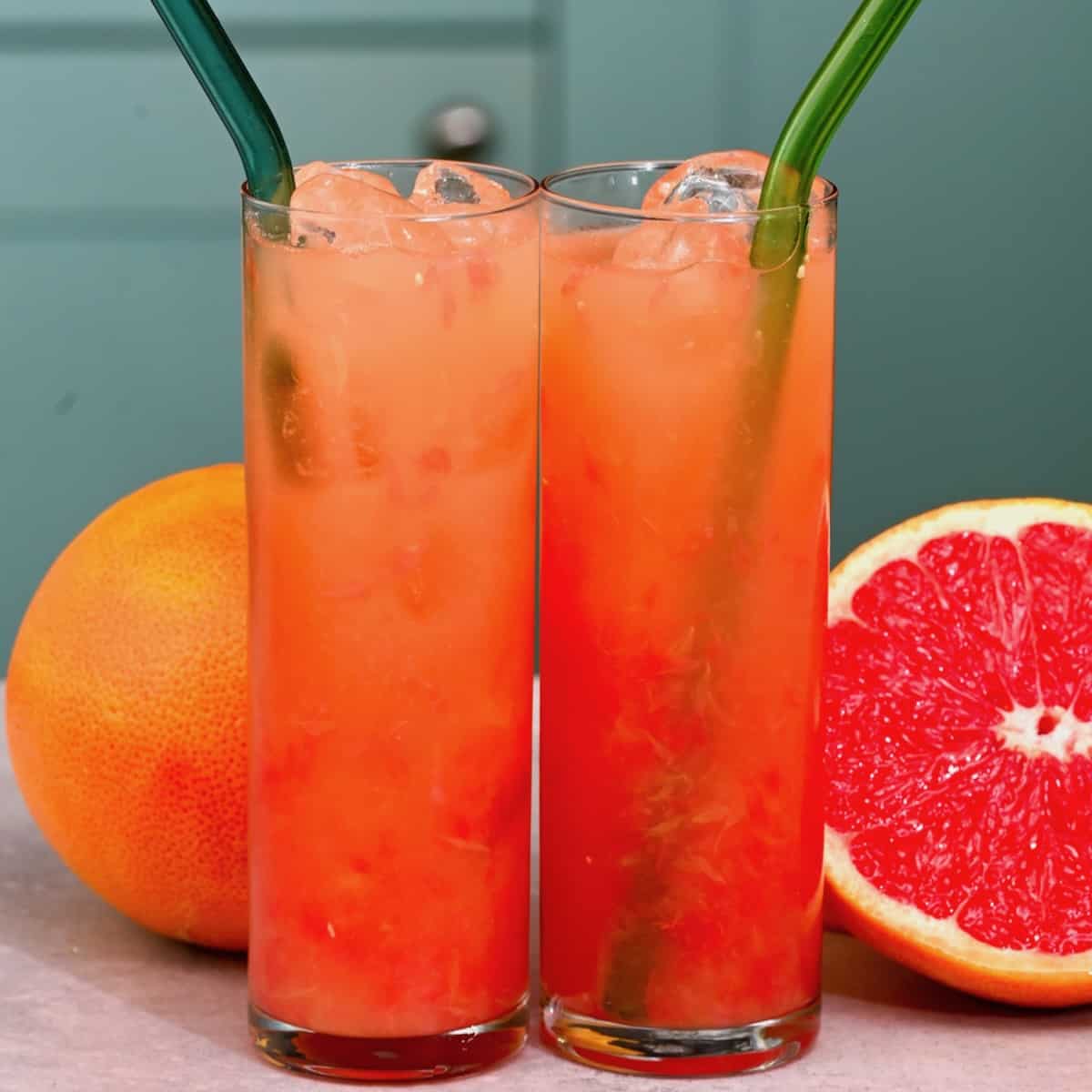
Tips for Perfect Grapefruit Juice: Selecting Ripe Fruit & Methods
There's nothing quite like a glass of fresh, homemade grapefruit juice to kickstart your day or refresh your senses. Beyond its vibrant, bittersweet tang, grapefruit juice is a powerhouse of nutrition, packed with essential vitamins, minerals, and antioxidants that support immune health and overall well-being. While many enjoy its unique flavor profile, some might find its inherent bitterness a bit intense. But don't let that deter you! With the right techniques for selecting ripe fruit and various preparation methods, you can tailor your grapefruit juice experience to perfection. This comprehensive guide will walk you through everything you need to know about how to make grapefruit juice at home, from choosing the best fruit to creative ways to enjoy it.The Art of Selection: Choosing the Perfect Grapefruit for Juicing
The foundation of truly delicious grapefruit juice lies in the fruit itself. Starting with a ripe, juicy grapefruit is paramount to achieving the best flavor and yield. Don't underestimate the power of careful selection; it can make all the difference between a lackluster drink and a truly invigorating one.What to Look For: Sight, Touch, and Weight
When you're at the grocery store or farmer's market, engage all your senses (except taste, of course!) to pick out the prime candidates for juicing:- Weight: This is perhaps the most crucial indicator. Pick up several grapefruits. The ones that feel surprisingly heavy for their size are typically the juiciest. A heavy fruit signifies a high water content, meaning more juice in your glass.
- Skin: Observe the exterior. You want a grapefruit with a bright, relatively smooth, and unblemished skin. While some minor imperfections are natural, avoid fruits with deep bruises, soft spots, or obvious signs of decay, as these can affect the flavor and indicate spoilage. The color can vary depending on the variety (from pale yellow to deep ruby red), but a uniform, vibrant hue is a good sign.
- Feel: Gently press the grapefruit with your thumb. It should yield slightly, feeling firm but with a springy give. Avoid fruits that are rock hard (under-ripe and less juicy) or excessively soft and squishy (over-ripe and potentially spoiled). A slight softness indicates ripeness and a ready-to-burst juiciness.
Varieties and Flavor Profiles
Did you know that not all grapefruits are created equal in terms of taste? Understanding the different varieties can help you choose one that best suits your palate:- Ruby Red/Rio Red: These are the most common and often preferred for juicing. They boast a beautiful deep pink to red flesh, offering a sweeter, less bitter flavor compared to their counterparts. Their vibrant color also means they are rich in lycopene, a powerful antioxidant.
- Pink Grapefruit: Similar to Ruby Reds but with a lighter pink hue, these also offer a good balance of sweetness and tang with moderate bitterness.
- White/Oro Blanco: With pale yellow flesh, these varieties are generally the most tart and bitter. If you enjoy a robust, classic grapefruit flavor, these are an excellent choice.
- Pummelo (sometimes mistaken for grapefruit): While technically a different fruit, pummelo is a close relative and the ancestor of grapefruit. It's larger, with a thicker rind, and generally sweeter and less bitter than grapefruit, making it a great option if you prefer a milder citrus flavor.
Proper Storage for Peak Freshness
Once you've selected your perfect grapefruits, proper storage ensures they retain their juiciness and flavor until you're ready to use them. For immediate consumption (within a few days), store them at room temperature on your counter. If you plan to juice them later in the week or want to extend their freshness, place them in the crisper drawer of your refrigerator, where they can last for up to two to three weeks.Unlocking the Nectar: Methods for Making Grapefruit Juice at Home
With your perfectly chosen grapefruits in hand, it's time to transform them into a refreshing beverage. The beauty of homemade grapefruit juice is its versatility; you don't necessarily need fancy equipment. Here are three popular methods:Method 1: The Electric Juicer (Efficiency King)
For those who regularly enjoy fresh juices, an electric juicer is a fantastic investment. It's the most efficient method for extracting maximum juice with minimal effort and separating pulp.- Preparation: Wash your grapefruits thoroughly. Cut each grapefruit in half across its equator.
- Juicing: Place one half of the grapefruit on the reaming cone of your electric juicer. Turn on the machine and apply gentle pressure, allowing the juicer to extract the liquid. The pulp and seeds will typically be separated into a different container.
- Serve: Pour the fresh juice directly into a glass. You can strain it further through a fine-mesh sieve if you prefer a completely pulp-free experience.
Pro Tip: To get even more juice, let your grapefruits come to room temperature before juicing. Cold fruit tends to yield less liquid.
Method 2: Manual Squeezing (Classic Simplicity)
Don't have an electric juicer? No problem! A simple hand reamer or a basic citrus press works wonderfully and connects you more directly with the fruit.- Preparation: Wash the grapefruits. To help loosen the membranes and maximize juice extraction, firmly roll each grapefruit on your countertop for about 10-15 seconds before cutting. Another trick: microwave a whole grapefruit for 15-30 seconds to make it softer and easier to juice. Cut each grapefruit in half.
- Juicing: Hold one grapefruit half over a bowl or measuring cup. Press a manual reamer into the cut side and twist firmly, applying pressure to extract the juice. If using a citrus press, place the cut side down and squeeze the handles together.
- Strain (Optional): The juice extracted this way will likely contain some pulp and seeds. Pour it through a fine-mesh sieve into your serving glass to remove any unwanted bits.
This method might require a bit more arm strength but is incredibly satisfying and effective for making a glass or two.
Method 3: The Blender (Whole Fruit Goodness)
- Preparation: Wash the grapefruits. Carefully peel the grapefruits, removing all the white pith (the bitter white membrane just under the skin), as this can add excessive bitterness. Roughly chop the peeled grapefruit segments.
- Blending: Place the chopped grapefruit segments into your high-speed blender. Add a small amount of water (about ¼ cup per grapefruit) to help it blend smoothly, especially if your blender isn't super powerful.
- Process: Blend on high until completely smooth.
- Strain (Optional): For a smoother juice, pour the blended mixture through a fine-mesh sieve, nut milk bag, or cheesecloth, pressing down on the solids to extract all the liquid. If you prefer a thicker, pulpier consistency, you can skip this step and enjoy it as is.
This method gives you a truly wholesome drink, often referred to as a "whole food juice," because it keeps all the fiber intact.
Elevating Your Grapefruit Juice Experience
Once you've mastered the basic methods for making grapefruit juice, you can start experimenting to find your perfect flavor balance and enjoy its versatility.Taming the Tang: Sweetening and Blending
If the natural bitterness of grapefruit is too much for your palate, there are several ways to mellow it out:- Natural Sweeteners: Stir in a teaspoon or two of honey, maple syrup, agave nectar, or a natural sugar substitute to taste.
- Blending with Other Juices: This is a fantastic way to introduce new flavors while still getting the benefits of grapefruit. Popular choices include pineapple juice, orange juice, or even pomegranate juice. The sweetness of these fruits beautifully complements and balances grapefruit's tanginess. For more ideas on how to create a delicious and healthy blend, check out our guide on Healthy Grapefruit Juice Recipe: Boost Immunity & Enjoy Taste.
Creative Additions and Serving Suggestions
Elevate your grapefruit juice with simple additions:- Herbs: Muddle a few sprigs of fresh mint or rosemary in your glass before adding the juice for an aromatic twist.
- Ginger: Add a small piece of fresh ginger to your juicer or blender for a spicy kick and added health benefits.
- Pinch of Salt: A tiny pinch of sea salt can actually enhance the sweetness and reduce the bitterness, similar to how it works with watermelon.
- Sparkling Water: Turn your juice into a refreshing spritzer by topping it with sparkling water and a lemon or lime wedge.
- Ice: Always serve grapefruit juice chilled over ice for the best experience.
Beyond drinking, grapefruit juice can be a vibrant ingredient in cocktails, mocktails, marinades for fish or chicken, or even salad dressings.
